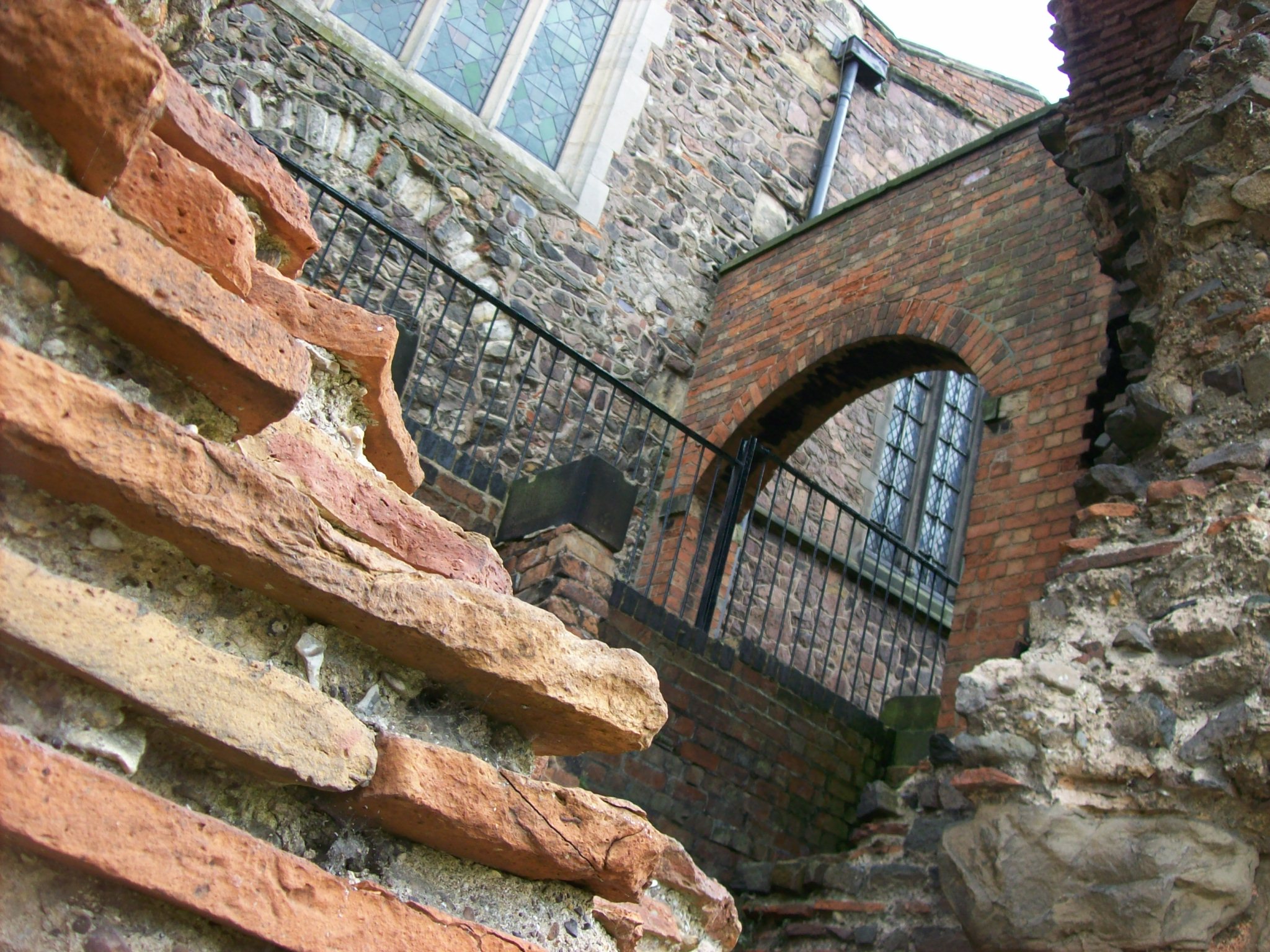
Walk through any European city with a deep enough history and you will eventually bump into something Roman. A wall fragment absorbed into a medieval church, its brickwork visibly older than the stone arches above it. An arch standing alone in a plaza while modern traffic circles around it like water around a rock. The foundation of a warehouse, exposed during the digging of a metro line and left in place because removing it would have cost more than working around it. The Romans built to last, and in many cases their buildings have outlasted the civilizations that came after.
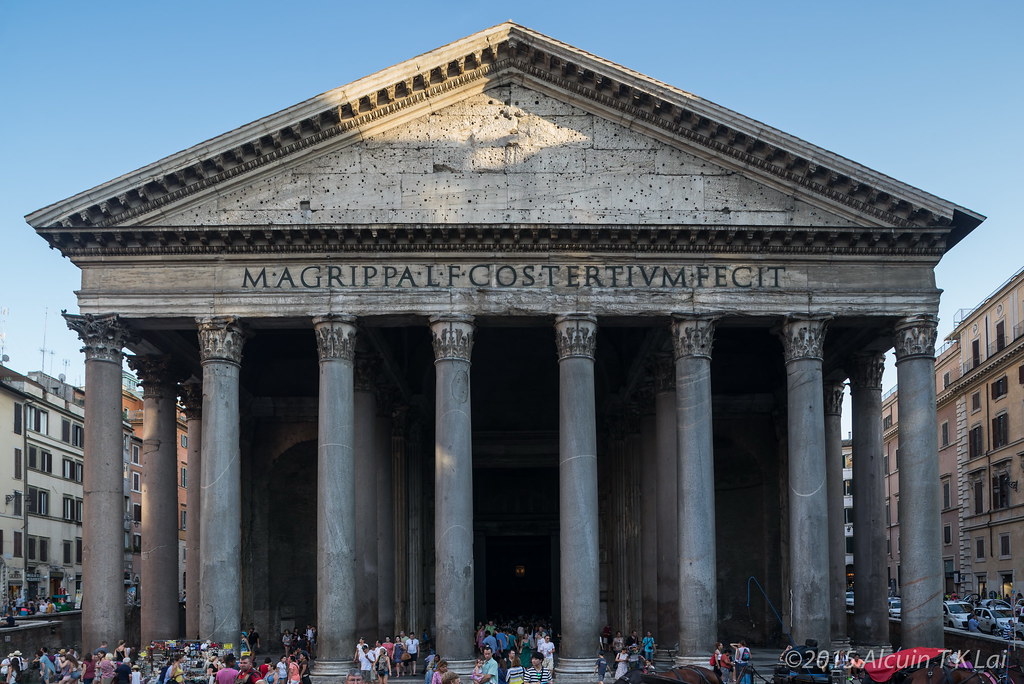
Concrete made the difference. Roman concrete, or opus caementicium, was not the same stuff we pour into driveways today. It used volcanic ash, lime, and seawater mixed with chunks of rock and brick. The ash came from places like the area around Mount Vesuvius, and it gave the concrete properties that modern engineers are still studying. When the material cured, it grew stronger over time. Cracks that would spread through modern concrete often stopped in the Roman version because the mixture formed crystalline structures that filled the gaps. This is why the Pantheon in Rome still has the largest unreinforced concrete dome in the world, nearly two thousand years after it was built.
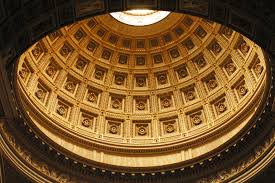
The Pantheon deserves a pause because it represents something easy to forget about Roman builders. They worked without structural models on a computer. They had no steel rebar. They understood weight and stress through experience and rule of thumb, passed down through generations of architects and engineers. The dome gets thinner as it rises. The aggregate mixed into the concrete changes at different heights—heavier stone like basalt at the bottom, lighter pumice near the top. The coffers carved into the ceiling reduce weight while also making the interior feel taller than it already is. The oculus, the open hole at the very top, pulls in light and rain and occasionally the odd bird. It is a building that breathes.
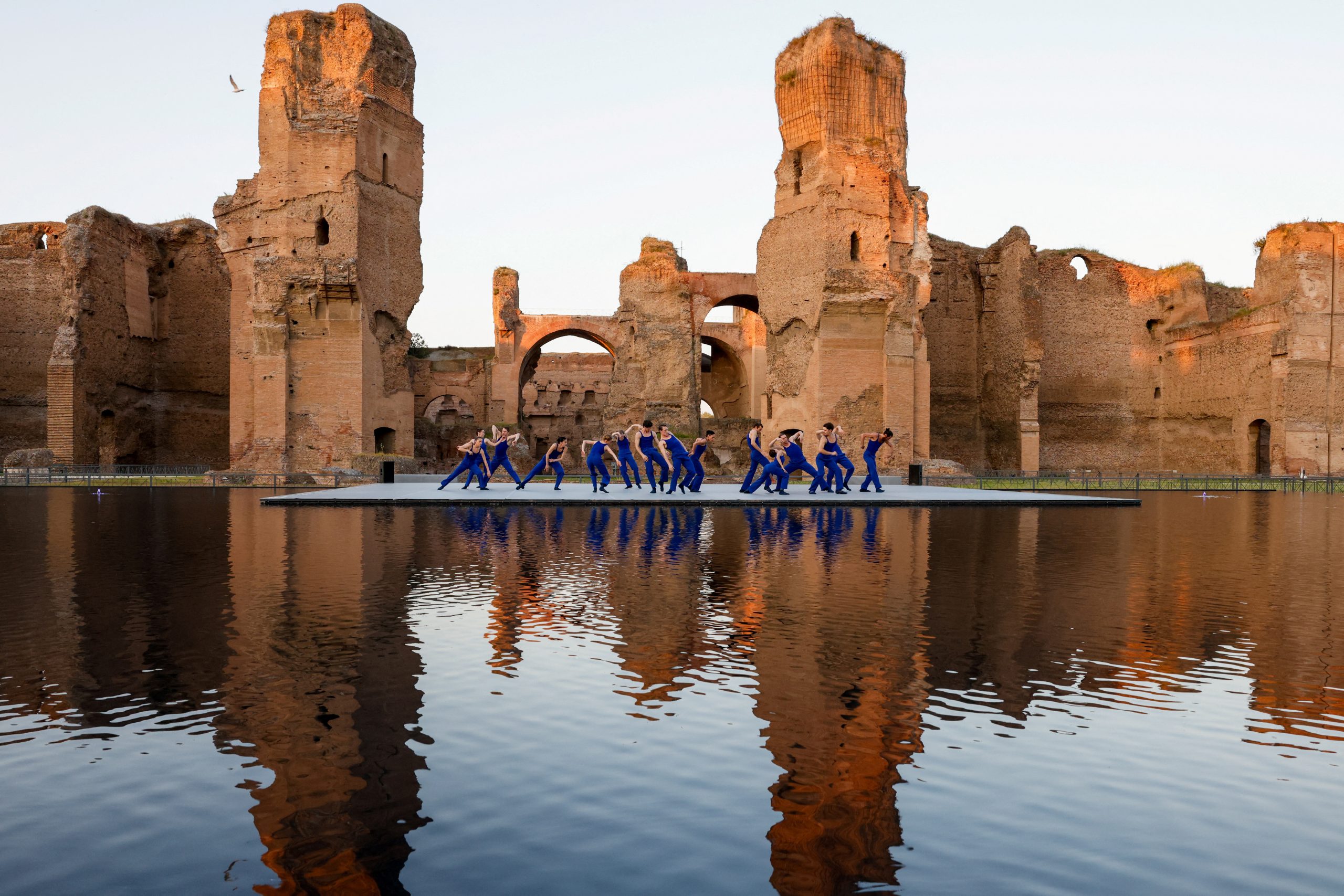
Public bathhouses were another achievement that shows how Romans thought about buildings as social infrastructure. The Baths of Caracalla covered something like twenty-five hectares and could hold thousands of people at a time. Entry was cheap. The facilities included hot rooms, cold plunge pools, exercise yards, libraries, gardens, and snack vendors. The whole complex ran on an underfloor heating system called a hypocaust, which circulated hot air from furnaces through hollow spaces beneath the marble floors and inside the walls. Keeping it all running required enormous amounts of water, firewood, and slave labor, but for the ordinary Roman who paid a small coin at the door, the experience was closer to a modern leisure center than a simple washroom.
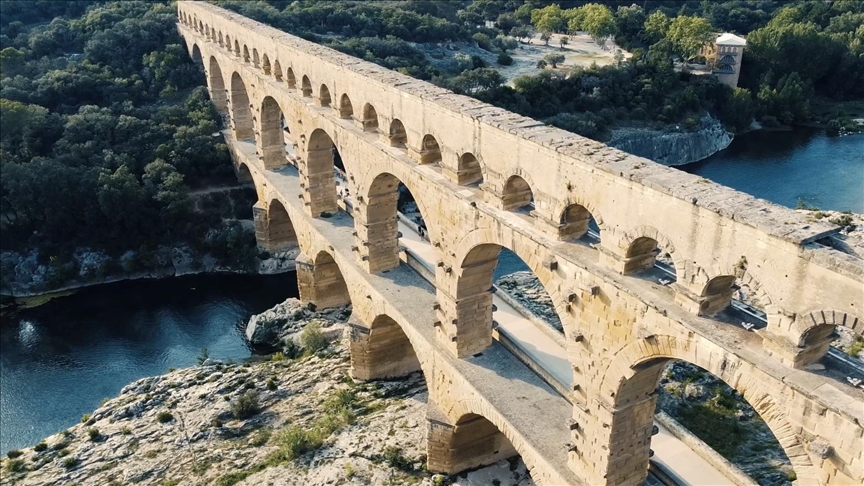
Aqueducts tend to dominate the conversation about Roman engineering, and they are impressive structures. What often gets overlooked is how careful the gradient work was. Water had to flow downhill from a source—sometimes dozens of miles away—at a steady, shallow slope. Too steep and the water would arrive too fast and erode the channels. Too flat and it would stagnate. Roman surveyors mapped these routes with tools like the chorobates, a long level that could be set up in the field, and they maintained slopes of around one to two percent across uneven terrain. The Pont du Gard in southern France is the famous part people photograph, the triple-tiered bridge spanning a river valley. Most of the aqueduct that fed Nîmes, however, ran underground in covered channels. The quiet, hidden work was what made the visible work possible.
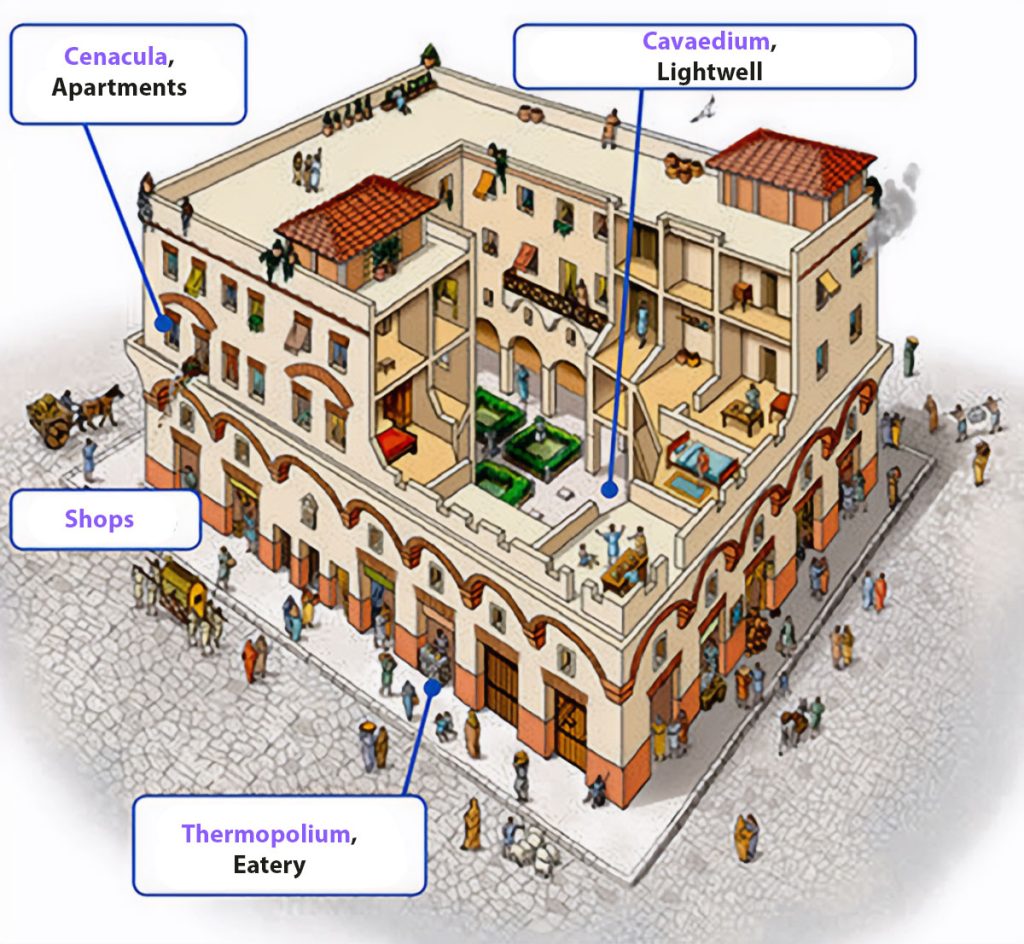
Apartment blocks, or insulae, were where most Romans actually lived. These were multi-story buildings constructed of brick and concrete, sometimes rising six or seven floors. Ground-level units often housed shops and workshops. The upper floors, reached by narrow staircases, held small one or two-room apartments. These buildings were dense, dark, and vulnerable to fire. Collapses were common enough that emperors passed laws limiting building height and requiring gaps between structures. The wealthiest Romans lived in domus houses built around open courtyards, but for the vast majority of the city’s population, life happened in an insula, perched above a noisy street with cooking done on a small brazier and neighbors audible through thin walls.
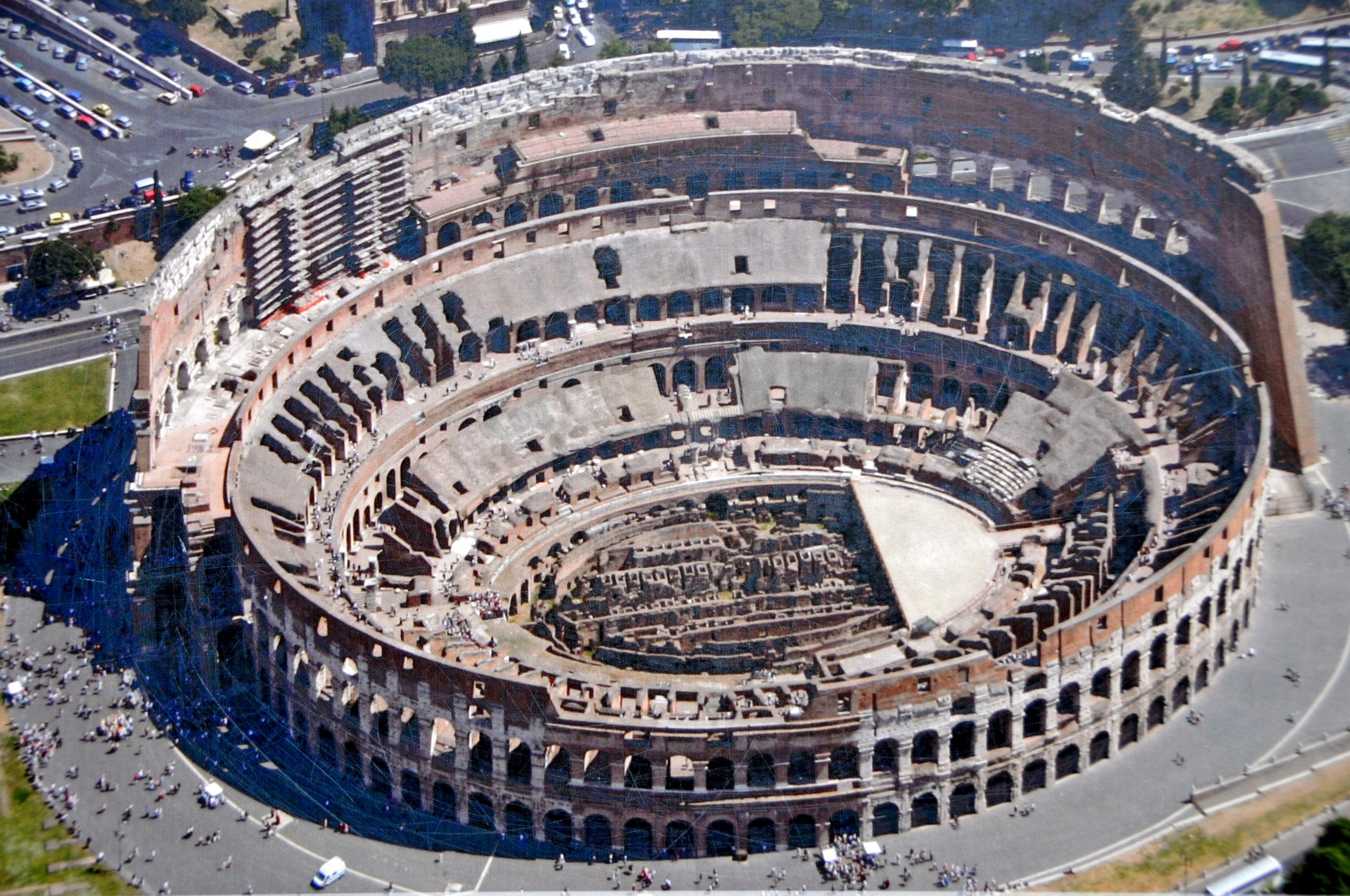
Amphitheaters are the buildings most associated with Rome in the popular imagination, and the Colosseum is the obvious centerpiece. Its design solved a set of difficult problems. How do you get fifty thousand people in and out without chaos? Numbered entrances and vomitoria—passageways that opened directly onto seating sections. How do you protect the crowd from sun? A retractable awning system called the velarium, rigged by sailors from the imperial fleet. How do you stage elaborate spectacles? Underground chambers and elevators that lifted animals, fighters, and scenery into the arena. The engineering behind the violence was meticulous.
Across the empire, the same architectural language appeared. A forum in northern Britain used the same basic layout as one in Syria. Temples followed recognizable forms. Basilicas, originally used for law courts and business, became the template for Christian churches centuries later. The materials shifted by region—local stone instead of Italian marble, timber instead of concrete in places where wood was plentiful—but the underlying ideas traveled intact.
What remains today is a fraction of what once stood. Marble was burned for lime. Bronze clamps holding stones together were pried out and melted down. Buildings became quarries for newer buildings. Yet even this stripped-back version of the Roman city, the skeleton left behind after centuries of reuse and neglect, still shapes how we think about public space and monumental architecture. The reason these buildings still stand, in the end, has less to do with volcanic ash and careful gradients than with the simple fact that later generations found them useful and worth keeping. That might be the most Roman thing of all.